

Costume in a sentence: Closet cosplay builds a recognizable character from clothes you already own: match the palette, copy the outline, then add one signature item people link to that character. If a friend can name the look from across a room, it works, and most builds need no sewing and little or no spending.
Closet cosplay is the quiet side of the hobby: a character built from your own wardrobe, worn to a con, a meetup or a normal Tuesday. Below: a three-part formula, a table of what each wardrobe basic can become, eight archetype builds for any gender, and a color-coding method for days when a full costume isn’t welcome.

Closet cosplay at a glance
Every closet cosplay here runs on three parts. Get all three and the look reads; drop one and people start guessing.
| Part | What it does | Check it by | Common miss |
|---|---|---|---|
| Palette | Tells people which character family you belong to | Squint at a photo: do the color blocks match the reference? | A shade that drifts toward grey or beige |
| Silhouette | Gives the outline: long coat, cropped jacket, full skirt, boxy uniform | Check your shadow or a dark-background photo | Right colors, wrong lengths |
| Signature item | The one thing fans link to that character alone | Hide it: does the look turn into plain clothes? | Three small accessories instead of one clear one |
What is closet cosplay?
Closet cosplay is a costume put together mostly from everyday clothes you own, borrow or thrift, instead of a sewn or store-bought costume. You still portray a specific character, so people should be able to recognize who you are, and most pieces go back in the wardrobe afterward.
The word cosplay itself dates from 1983, when Nobuyuki Takahashi coined the Japanese term, according to Wikipedia’s cosplay entry. The closet version is younger and looser. The cosplayer behind Cosplay Advice counts it as closet cosplay when most of the outfit is regular clothing, even if a wig or a prop gets bought or made, and still builds them more than ten years after a first cosplay.
Some people start here by accident. Rachel of Food and Cosplay writes that her first ever cosplay happened because she only found out at 8 am that she was going to a convention that day. A shirt, shorts and a top hat from her own wardrobe did the job, and people still knew who she was meant to be. If you want the full first-build plan around a look like that, our four-week cosplay for beginners roadmap puts closet cosplay on rung one.
How do you make a closet cosplay recognizable?
Match three things in this order: the palette, the silhouette, then one signature item. Palette gets you into the right family, silhouette narrows it down, and the signature item settles it. A closet cosplay with the right colors and outline but no signature piece usually reads as a nice outfit, not a character.
- Palette first. Pull the two or three biggest color blocks from your reference and match those, not every trim. Keep shades close: navy is not black, and mustard is not lemon.
- Silhouette second. Lengths and shapes do the talking from far away. A knee-length coat, a tucked shirt, a cropped jacket or a full skirt matters more than the fabric.
- One signature item. Glasses, a hat, a scarf, a badge, a bag, a hair clip. Pick the single object fans would draw first, and spend your effort or money there.
- The squint test. Take a full-length photo, shrink it on your phone and squint. If the blocks and outline still match the reference, the look will read across a hall.
Shade drift is the usual failure. On a Reddit post of a quick closet build put together in under an hour, commenters said the top looked too light, almost grey, and one admitted they would never have guessed the character without the caption. The poster agreed it had been rushed. A deeper shade would have saved it.
Which wardrobe basics can become a character?
Most closets already hold the base layer for a dozen character types. A white shirt, a dark coat, khaki trousers and one bold T-shirt cover detectives, pilots, scholars, explorers and sports heroes. The trick is knowing which single change turns each basic from plain clothing into part of a closet cosplay.
| Wardrobe basic | Can become | The one change |
|---|---|---|
| White button-up shirt | Detective, office hero, scholar, diner server | Collar and cuffs crisp; add a tie, vest or apron |
| Long coat or trench | Detective, wandering mage, villain in a hurry | Belt it, pop the collar, or wear it open over one color |
| Cardigan or knit vest | Librarian-mage, gentle mentor, school-uniform look | Button it fully and add round glasses |
| Blazer | Office worker hero, school uniform, manager | Add a badge or name tag on the lapel |
| Khaki or cargo trousers | Explorer, mechanic, field scientist | Roll the cuffs and add a utility belt or satchel |
| Bomber or flight jacket | Pilot, racer, rebel crew | Scarf, goggles worn on the head, or a sewn-on patch |
| Plain T-shirt in one bold color | Sports captain, team member, cartoon lead | Iron-on or felt number, matching socks or sweatband |
| Hoodie | Gamer, hacker, monster-in-disguise | Felt ears or a felt face on the hood |
| Pleated or A-line skirt | School uniform, diner server, idol look | Knee socks, a neck bow or a short apron |
| Apron | Baker, shopkeeper, blacksmith, diner server | Flour-dusted look with chalk, a pen in the pocket |
| Ankle boots | Explorer, ranger, detective | Tuck trousers in or roll them above the boot |
| Scarf | Pilot, wandering mage, winter hero | Wrap it the way your reference does, long ends out |
Pick a character, find the rows you already own, and two rows plus one signature item is a full closet cosplay.
Which closet cosplay ideas work for any wardrobe?
The easiest closet cosplay ideas are archetypes: character types whose clothes already exist in real life. Each build below lists the palette, the silhouette and the signature item, and every one works for any gender. Once you can wear the archetype, a specific character from that family is usually one detail away.

1. Detective
Palette: camel, brown or charcoal with a white shirt. Silhouette: long coat over trousers, collar up. Signature item: a small notebook and pen, or a magnifying glass from a toy aisle. Belt the coat tight and carry the notebook in your hand.
2. Librarian-mage
Palette: deep green, burgundy or navy with cream. Silhouette: buttoned cardigan or long knit over a skirt or trousers, layered. Signature item: a hardback book carried like a spellbook, plus round glasses. A pendant on a cord adds the magic.
3. Pilot
Palette: brown leather tones, olive or navy, white scarf. Silhouette: short bomber jacket, fitted trousers tucked into boots. Signature item: a long white scarf or goggles pushed up on the head. A felt wing badge finishes it.
4. Explorer
Palette: khaki, olive and sand. Silhouette: short-sleeved button shirt over cargo trousers or shorts, sleeves rolled. Signature item: a wide-brim hat, with binoculars or a folded map as backup. A cross-body satchel completes the outline.
5. Baker
Palette: white, cream and one warm accent such as red or pastel pink. Silhouette: apron over a plain shirt, sleeves pushed up. Signature item: a wooden rolling pin or a whisk, or a white cloth tied as a headscarf.
6. Office worker hero
Palette: grey or navy suit colors plus one bold hero color. Silhouette: blazer and shirt, tie loosened. Signature item: a hero-colored T-shirt peeking under the open shirt, or a cape folded in a briefcase. Keep the office layer neat; the joke is the secret identity.
7. Sports captain
Palette: two team colors, nothing else. Silhouette: jersey-style T-shirt, shorts or track pants, high socks. Signature item: a felt captain armband or a big number on the back. A whistle on a lanyard beats carrying a ball all day.
8. Retro diner server
Palette: pastel pink or mint with white, or red and white. Silhouette: fitted shirt or dress, short apron at the waist. Signature item: a name tag and an order pad, with a scarf tied in the hair. White sneakers keep it walkable.
Want a named character? Start from the archetype, then swap in that character’s exact palette and signature item. That swap turns a generic build into an easy closet cosplay of someone specific.
How does color-coded casual cosplay work?
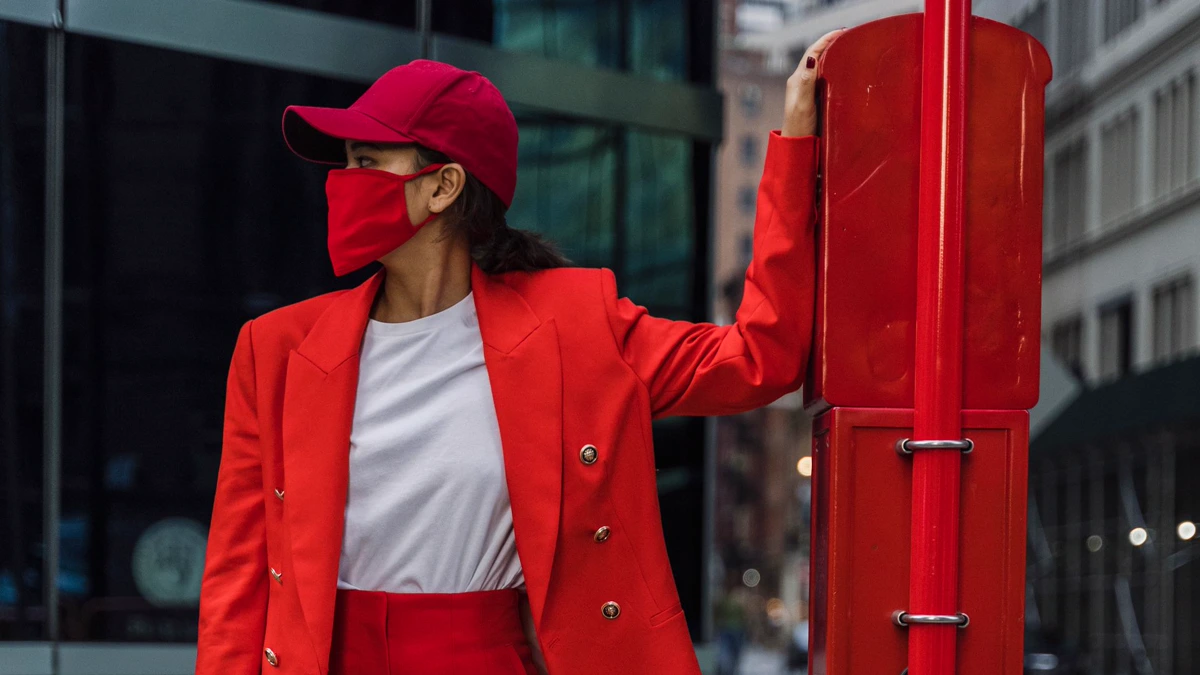
Color-coded casual cosplay, often called bounding, swaps the costume for normal clothes in a character’s color palette. You map each color to a garment, add one subtle signature accessory, and wear the result like a regular outfit. Fans catch it; everyone else sees an outfit.
The practice grew out of theme park fandom. Wikipedia’s entry on adult theme park fans describes it as informal cosplay where visitors dress in a favorite character’s color palette, and notes that Tumblr’s former head of editorial, Amanda Brennan, places its start on Tumblr. The reason is practical: Disneyland Resort’s posted park rules say costumes may not be worn in its theme parks by guests 14 or older, so casual cosplay became the workaround.
- Pick three colors at most. The largest block on the character goes on your largest garment: coat, dress or trousers.
- Give the second color to the top or shirt. The third color goes to shoes, socks or a bag.
- Add one nod. A pin, a hair clip or earrings shaped like the character’s signature item. One is enough.
- Keep the cut ordinary. Jeans, T-shirt, skirt, sneakers; the colors carry the character.
- Check the venue. Some parks and events ban full costumes or masks for adults, so read the posted rules before you pick how close to the costume you go.
Monochrome is the easiest start: one color over a white base, like the red set above, reads from far away.
How do you turn closet cosplay into everyday cosplay?
Everyday cosplay keeps the palette and silhouette but tones the signature item down until the outfit fits work, class or errands. Swap a prop for a small accessory, keep shoes practical, and let only people who know the character catch the reference. It’s closet cosplay on a weekday setting.
Jada Young tried exactly that for a week, writing up a workweek of closet cosplay on BuzzFeed. She used clothes she already owned and made only two things: a casual tiara from a white plastic headband painted gold with a wooden star painted red and glued on, and a collar, belt and braided-rope headband for another look. Looking back at one outfit, she said a redo would get a pair of gray flats. That’s the honest everyday cosplay lesson: the shoes give most looks away.
- Work: palette plus one small nod, such as a pin, tie color or watch strap.
- School: palette plus the signature item if it’s ordinary, such as glasses, a scarf or a bag.
- Weekend: full silhouette and signature item.
What thrift store costume ideas fill the missing piece?
When your closet covers two parts of the formula but not the third, thrift the missing piece. Learn the garment’s exact name before you go, size up rather than down, and bring the pieces you already own to match colors. Thrift store costume ideas work best when you shop for one item, not a whole look.
- Name the garment first. Cosplay Advice searches online shops to learn what a piece is called, going from “red skirt” to “pleated red skirt”, then hunts secondhand racks with the better term.
- Size up. Ashweez Cosplay, who has thrifted cosplays since college, notes that a large piece is far easier to take in than a small one is to let out, and once had oversized purple slacks taken in and hemmed by a tailor.
- Bring your pieces. The same post suggests carrying the parts you already own so the new piece matches in color and style.
You won’t be alone on the racks. The 2026 Goodwill Halloween Survey of 2,000 U.S. adults found 85% plan to work thrift or DIY elements into their costume, and 71% want pieces they can reuse beyond Halloween, as reported by the Lynnwood Times. Reuse is the whole point of a wardrobe build. For what each tier of secondhand shopping actually costs, see our price ladder for budget costumes. If the signature item can’t be found anywhere, like a bracer or a chest emblem, make just that one piece with our beginner guide to foam cosplay pieces.
Is closet cosplay real cosplay?
Yes, if it portrays a specific character people can recognize. Some fans draw a line between a recognizable closet build and a loose character-inspired outfit, but at conventions the two sit side by side, and most cosplayers judge effort by fun, not by how much was sewn.
The strict view exists. A 2016 opinion piece on Shuffle argued that a recognizable costume pulled from your closet is cosplay, while an outfit that only borrows a character’s colors is something else, a character-inspired look. That line is exactly why the signature item matters.
The con floor tends to be kinder. In a Reddit thread from a second-year attendee nervous about a mostly-wardrobe build, replies were almost all reassurance. One person wore a T-shirt, jacket and trousers that simply matched a character’s colors and style, and the character’s voice actor recognized it on sight. Another described a character meetup of about 20 people where screen-accurate builds, store-bought costumes and closet cosplay mixed and nobody criticized anyone. A third said roughly 90% of their own costumes that year counted as closet builds.
Closet cosplay checklist before you leave
Run this list in front of a mirror the night before; it takes five minutes.
- Squint test passed: photo shrunk, color blocks and outline match the reference.
- Signature item visible: not hidden under a bag strap, coat or hair.
- Shoes match the palette: or are neutral enough to disappear.
- Sit, walk, reach: sit down, climb a stair, raise both arms. Nothing should pull or slip.
- Weather layer: a jacket in a palette color.
- Venue rules read: some events and parks limit adult costumes, masks or props.
By the numbers
- 3 parts make any closet cosplay readable: palette, silhouette and one signature item.
- 1983 is the year Nobuyuki Takahashi coined the Japanese word cosplay, per Wikipedia.
- 14 is the age from which Disneyland Resort’s park rules bar guests from wearing costumes, the rule casual cosplay by color works around.
- 85% of 2,000 U.S. adults in the 2026 Goodwill Halloween Survey plan thrift or DIY elements, and 71% want reusable pieces.
- 1 to 2 months is the lead time Cosplay Advice gives for a made-to-order shop costume, against an evening for a closet build.
Remy’s verdict on closet cosplay
Closet cosplay is the best value in the hobby. You learn to read a character the way an audience does, in color blocks and outlines, and you spend your effort on the one item that matters. Build the archetype, run the squint test, and keep the shoes in the palette.
The weak spot is shade. A top one tone too light can sink a whole look, so hold pieces next to your reference in daylight before you commit. For more simple builds, browse the beginner cosplay section.
Stuck mid-build?
Quick answers for the moment the clothes are spread across the bed, the reference is open on your phone, and the closet cosplay still feels a little off.
Do you need a wig for closet cosplay?
Not always. If the character’s hair is close to yours, or hides under a hat or hood, skip it. When hair is the signature item, a wig or a temporary hair color is worth it, and it can be the one thing you buy.
How long does a closet cosplay take to put together?
An evening, if you own most of the pieces: an hour to pull clothes and test colors, then the squint test. A thrift trip for one missing piece adds a day or two.
Can you closet cosplay a character of a different gender?
Yes. Portraying a character of another gender is called crossplay, and it’s a normal part of cosplay. The formula works the same: palette, silhouette and the signature item carry the character, whatever your build.
Should you cut or dye your own clothes for a closet cosplay?
Only pieces you’re happy to retire. Most wardrobe builds keep clothes wearable, so try pins, belts, tucks and fabric tape first, and save cutting or dyeing for thrifted pieces bought for the build.
What if nobody recognizes your closet cosplay?
Check the signature item first: it’s usually missing, too small or hidden. Then compare shades in daylight; a character pin often fixes the rest.
How we researched this: Formula and wardrobe table built from first-hand cosplayer write-ups and Reddit threads read October 1, 2026, with the park costume rule taken from Disneyland Resort’s posted rules and survey numbers from the 2026 Goodwill report. The first pass came from an AI tool and was rewritten step by step.
Sources: Wikipedia: Cosplay, Wikipedia: adult theme park fans, theme park guest rules, Lynnwood Times survey report, plus first-hand write-ups from Food and Cosplay, Cosplay Advice, Ashweez Cosplay, a workweek closet cosplay write-up, the Shuffle opinion piece and two Reddit threads (a convention attendee thread, a closet build feedback post).